Fertility Preservation Before Cancer Treatment: Your Options


A cancer diagnosis changes everything — including your fertility timeline. Many cancer treatments can affect your ability to conceive later, but with rapid oncofertility coordination, egg or embryo freezing can happen within days.
Arbor works directly with oncology teams to preserve your options before treatment begins. Here's how the process works when the clock is short.
Why timing is everything
When a cancer diagnosis lands, the window to preserve fertility before treatment can be just a few weeks. Oncofertility is the coordination that fits a preservation cycle into that window without delaying cancer care. The earlier you're connected to a fertility team — ideally right after diagnosis and before chemotherapy, radiation, or surgery — the more options you have. Even a single phone call early can change what's possible.
How cancer treatment affects fertility
Many cancer therapies are toxic to eggs and sperm. Chemotherapy can deplete ovarian reserve, radiation near the pelvis can damage reproductive organs, and certain surgeries remove them entirely. The degree of impact depends on the drugs, the dose, the radiation field, and your age. For some patients fertility returns after treatment; for others it doesn't. Because that's hard to predict in advance, preserving options before treatment is the safest path.
Your preservation options
The right approach depends on your situation, your timeline, and whether treatment can wait the roughly two weeks a stimulation cycle requires:
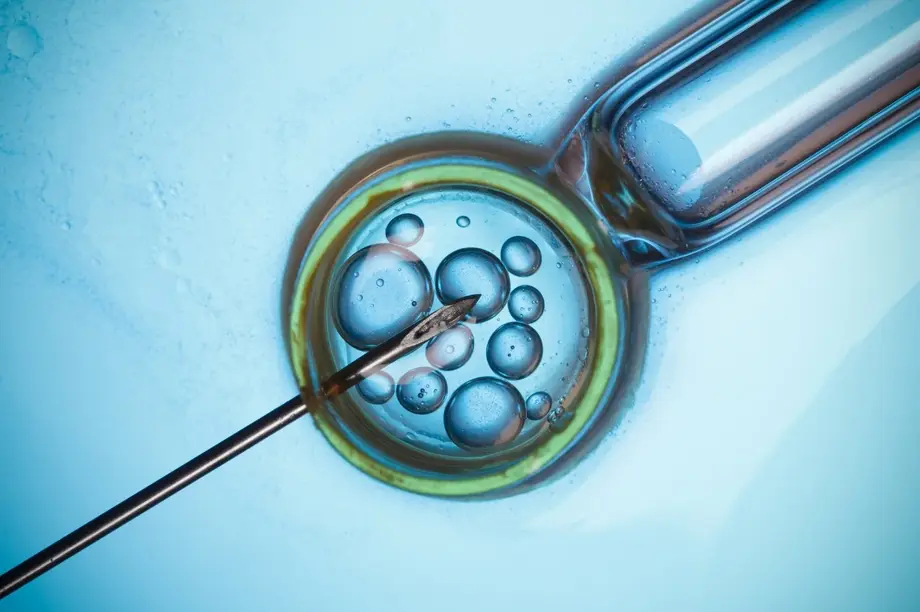
- Egg freezing — a stimulation and retrieval cycle that banks unfertilized eggs. A strong fit when there's no partner or you want to keep future options open.
- Embryo freezing — eggs are fertilized after retrieval and the resulting embryos are frozen. Often chosen by couples ready to use a partner's or donor's sperm.
- Sperm banking — for men, a quick, non-invasive option that can be completed in a single visit before treatment starts.
When stimulation isn't possible in the available window, we'll talk through alternatives honestly rather than promise a cycle that can't fit.
What same-week coordination looks like at Arbor
Speed is the whole game. Arbor can often begin an egg or embryo freezing cycle within days of your first call, and we coordinate directly with your oncology team so preservation and cancer treatment stay in sync. Random-start protocols mean we don't have to wait for a specific point in your cycle — we can begin stimulation when you're ready, not weeks later. Our team handles the scheduling so you can keep your focus where it belongs: on your health.
Cost and financial support
Cost should never be the reason a patient loses the chance to preserve fertility. Several national foundations offer discounted medications and grants specifically for oncofertility patients, and we'll point you toward them. Our own pricing is transparent, and financing options are available so the decision can be made on a realistic footing during an already overwhelming time.
Talking to your oncology team
If you've just been diagnosed, the single most useful question to ask your oncologist is: "Could this treatment affect my fertility, and do I have time to see a fertility specialist first?" If the answer is yes — or even maybe — ask for an urgent referral. We make ourselves available quickly for exactly these situations.
If you or someone you love is facing treatment, don't wait. Reach out today and we'll move fast to protect your options.