IVF Timeline Demystified: From Day 1 to Embryo Transfer


IVF is a multi-step process that typically spans four to six weeks. Understanding the timeline helps you plan around work, relationships, and self-care.
From your baseline appointment through stimulation, retrieval, and transfer — we walk through each phase so nothing catches you off guard. Here's what a typical cycle looks like, day by day.
The big picture: four to six weeks
A single IVF cycle runs from your baseline appointment to your pregnancy test in roughly four to six weeks. The most demanding stretch — daily monitoring and injections — is concentrated in about ten to twelve days. Knowing where the intense windows fall lets you plan time off and support in advance instead of scrambling.
Phase 1: Baseline and prep
Your cycle starts with a baseline visit, usually on day 2 or 3 of your period. We check hormone levels and do an ultrasound to confirm your ovaries are quiet and ready. Some protocols include a short course of birth control or other medication beforehand to synchronize your follicles. This is also when your medications arrive and we teach you exactly how and when to take them.
Phase 2: Ovarian stimulation (about 10–12 days)
For roughly a week and a half, you'll take nightly injections that encourage your ovaries to mature multiple eggs at once instead of the single egg of a natural cycle. During this window you'll come in every few days for a quick monitoring ultrasound, with bloodwork drawn at a Quest or Labcorp near you on our lab order, so we can track follicle growth and fine-tune your dose. These visits are short but frequent, so morning monitoring before work is the norm. If needles are a worry, ask about our Needle-Free IVF approach.
Phase 3: The trigger and egg retrieval
When your follicles reach the right size, you'll take a precisely timed "trigger" shot that finishes egg maturation. About 36 hours later comes egg retrieval — a 20-to-30-minute procedure done under light sedation, so you're comfortable and asleep. You'll rest for a short while afterward and need someone to drive you home. Most people take it easy for the rest of that day and return to normal activity within a day or two.
Phase 4: Fertilization and the embryo lab
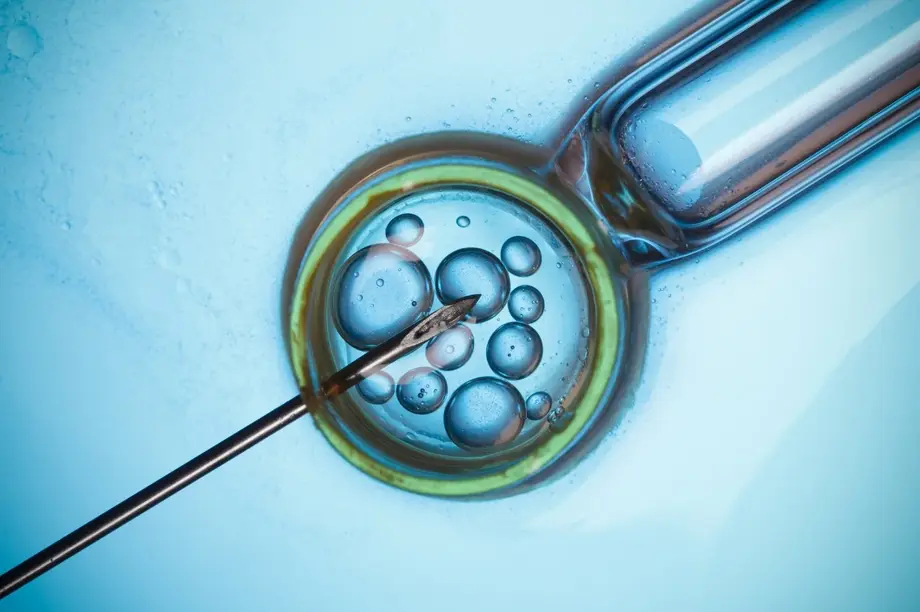
The same day as retrieval, our embryology lab fertilizes your eggs — typically with ICSI, where a single sperm is injected directly into each mature egg. Over the next five to six days, the fertilized eggs develop into blastocysts. We watch them closely and update you on how many reach the transfer or freezing stage. If you've planned for genetic testing or freezing, this is when those steps happen.
Phase 5: Frozen embryo transfer
At Arbor, embryos are frozen after retrieval and transferred in a later cycle (a frozen embryo transfer). The transfer itself is quick, gentle, and doesn't require sedation — comparable to a Pap smear. A thin catheter places the embryo in your uterus, and you're back on your feet the same day. Freezing first gives your body time to recover from stimulation; most patients transfer a month or two after retrieval.
The two-week wait
About nine to twelve days after transfer, a blood test measures the pregnancy hormone hCG to confirm whether the embryo implanted. This stretch is often the hardest part emotionally, even though there's nothing physical to do. Be gentle with yourself, lean on your support network, and remember the team is a phone call away.
Planning around work and life
The two periods that demand the most flexibility are the monitoring window (frequent early-morning visits over 10–12 days) and the retrieval day (sedation, no work, a driver). Transfer requires far less. If you'd rather minimize travel, ask about virtual fertility care for the consultation and planning portions. Map these windows onto your calendar early, and the cycle feels far more manageable.
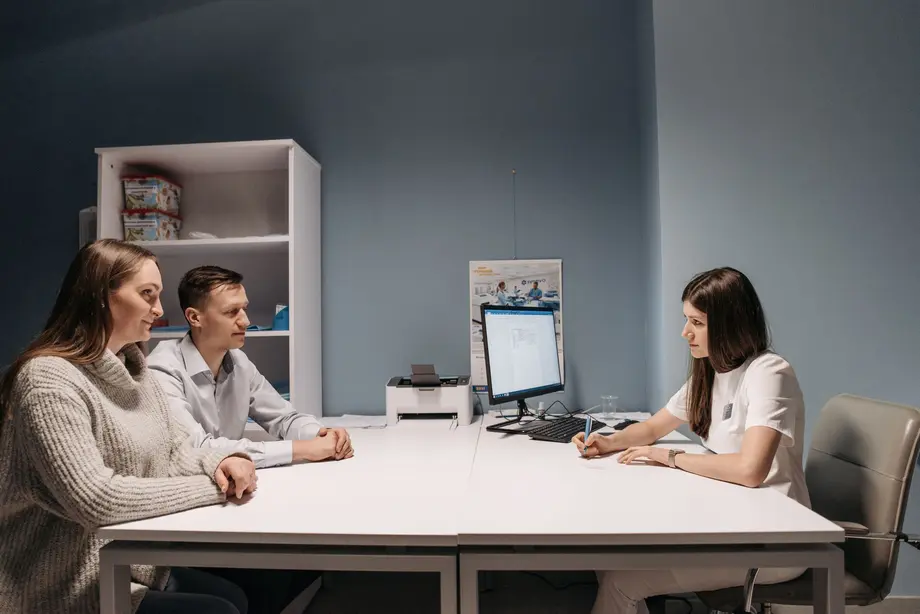
Have questions about your specific timeline? Start with a consultation and we'll build the calendar around your life.