
TEFNA: Testicular Fine-Needle Aspiration
A sperm retrieval option to support your path to parenthood
When sperm are not present in a semen sample, it does not always mean biological parenthood is out of reach. For some patients, sperm may still be present in the testicles and can be retrieved for use with fertility treatment.
What this service is
TEFNA.
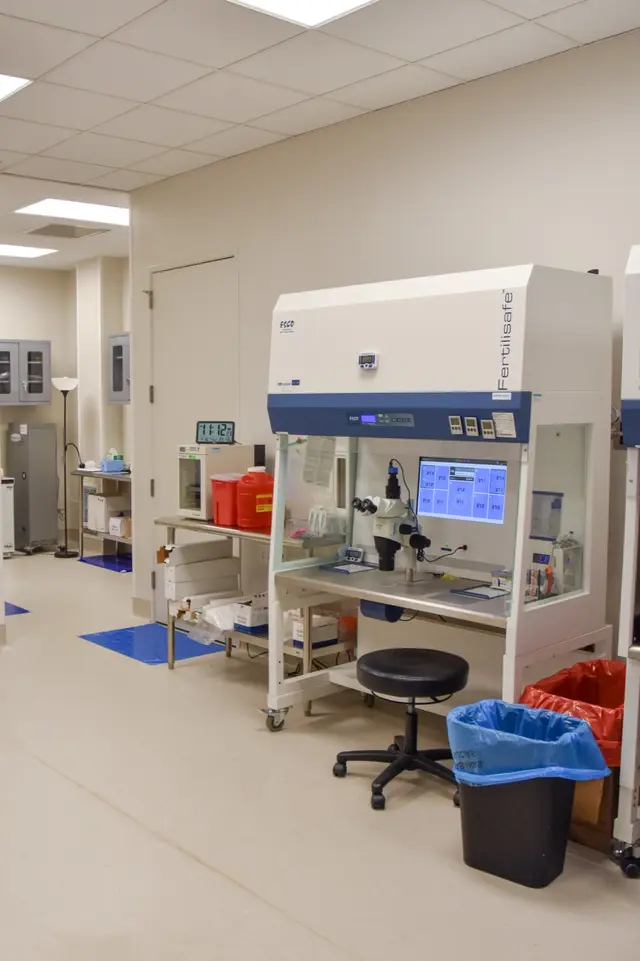
Testicular fine-needle aspiration, or TEFNA, is a minimally invasive procedure that uses a thin needle to collect small samples directly from the testicle. An embryologist examines the samples to look for sperm that may be used with in vitro fertilization (IVF) and intracytoplasmic sperm injection (ICSI).
$3,000
Price
Who may benefit from TEFNA?
TEFNA may be an option for patients with obstructive azoospermia, a condition in which sperm are produced but cannot reach the semen because of a blockage. This may occur following a vasectomy or because of other conditions affecting the reproductive tract.
Your evaluation helps determine whether TEFNA or another sperm retrieval procedure is appropriate. When sperm production is significantly reduced—a condition called nonobstructive azoospermia—a different approach, such as microdissection testicular sperm extraction (micro-TESE), may be recommended.
What happens during the procedure?

Before your procedure
Your care team reviews your medical history, semen analysis, and any recommended hormone or genetic testing. You will receive personalized instructions about preparation, medications, and anesthesia.

During sperm retrieval
After anesthesia is administered, a thin needle is passed through the scrotal skin into the testicle to collect small samples. More than one sample may be needed.

In the laboratory
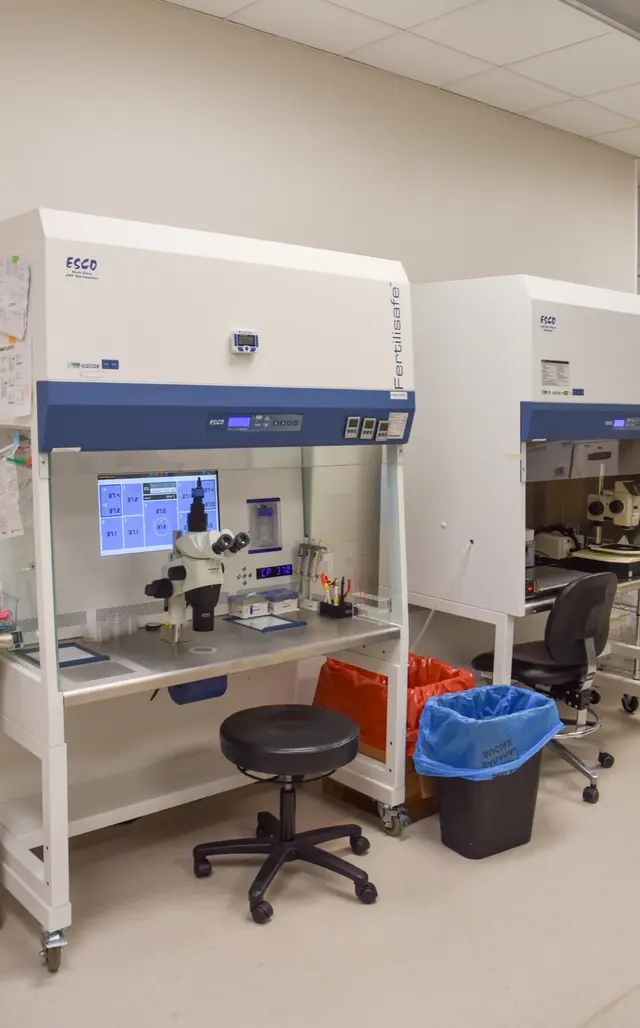
An embryologist carefully examines the collected material for sperm. If suitable sperm are found, they may be used for treatment or frozen for a future IVF cycle, depending on the sample and your treatment plan.
How is retrieved sperm used?
Sperm retrieved through TEFNA are generally used with IVF and ICSI, rather than intrauterine insemination (IUI).
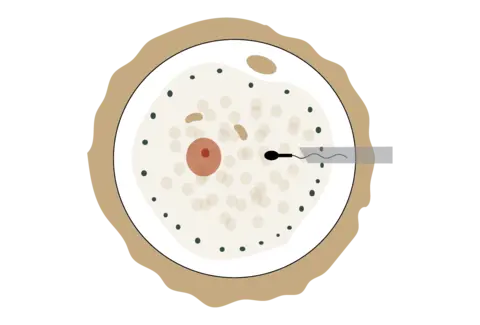
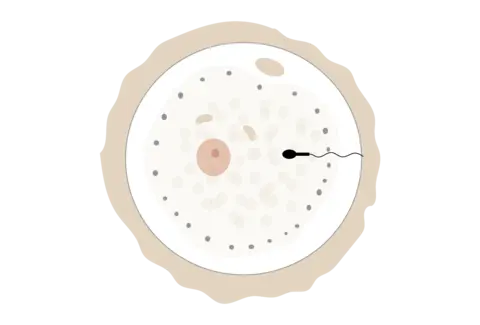
During ICSI, an embryologist injects a single sperm directly into a mature egg to help fertilization occur. The timing of sperm retrieval is coordinated with your IVF plan.
What is recovery like?
TEFNA is typically performed as an outpatient procedure. Temporary soreness, bruising, or swelling may occur afterward.
Your care team will provide instructions for comfort measures, supportive underwear, activity restrictions, and when to resume work, exercise, and sexual activity. Because anesthesia is used, you will need someone to drive you home.
Contact your care team if you develop fever, worsening pain, significant swelling, or persistent bleeding.
Frequently asked questions
Is TEFNA painful?
Anesthesia is used to help keep you comfortable during the procedure. Some tenderness or discomfort may occur during recovery. Your provider will explain the anesthesia and pain-management plan beforehand.
Does TEFNA guarantee that sperm will be found?
No. The likelihood of retrieving sperm depends on the cause of infertility and your individual circumstances. Your provider will discuss the expected chances of retrieval and alternative options before treatment.
Can the sperm be frozen?
Sometimes. If enough suitable sperm are retrieved, freezing may be possible. Your embryology team will assess the sample and explain whether fresh use or cryopreservation is appropriate.
Does TEFNA treat a blockage or reverse a vasectomy?
TEFNA retrieves sperm directly from the testicle. It does not repair a blockage or restore sperm to the semen. Your provider can discuss sperm retrieval with IVF/ICSI and whether reconstructive surgery is another option.
Is TEFNA the same as TESA or TESE?
Sperm retrieval procedures go by several names, including TESA, TESE and micro-TESE. Arbor performs TEFNA, an incision-free needle aspiration that uses a thin needle to collect small samples. Testicular sperm extraction (TESE) involves removing a small amount of testicular tissue through an incision. Micro-TESE uses an operating microscope to help locate tissue that may contain sperm.
Often considered alongside
Related services worth a look.
Talk with us about TEFNA.
Every fertility journey starts with a 30-minute consult — $100 virtual, $200 in person.