Getting Started
Getting started with fertility treatment
How long does a typical fertility treatment cycle last?
Cycle length varies by treatment. IUI is timed around ovulation and typically takes place within a single menstrual cycle. For IVF, the stimulation and egg retrieval process generally takes about 2–3 weeks from the start of medications through egg retrieval. Because Dr. Zarek performs frozen embryo transfers (FETs), embryo transfer occurs in a separate cycle, typically no sooner than 4–6 weeks after egg retrieval. Your exact timeline will depend on your individualized treatment plan.
How do I choose the right fertility treatment?
The right treatment depends on several factors, including the specific fertility issues at play, your medical history, and age. During the initial consultation, Dr. Zarek discusses these factors in detail and recommends the most appropriate treatment approach for your situation.
What are the success rates of fertility treatment?
Success rates vary depending on the treatment, patient age, and the specific underlying fertility issues. Arbor provides personalized success statistics during the consultation, based on your individual circumstances rather than generic averages. Visit the Outcomes page for more on Arbor's approach to transparent results reporting.
Can I preserve my fertility for future use?
Yes. Arbor offers fertility preservation options, including sperm freezing and egg freezing. Preservation can be a practical choice if you are not ready to start a family immediately, or when medical treatment may affect future fertility.
What are the most common fertility treatments at Arbor?
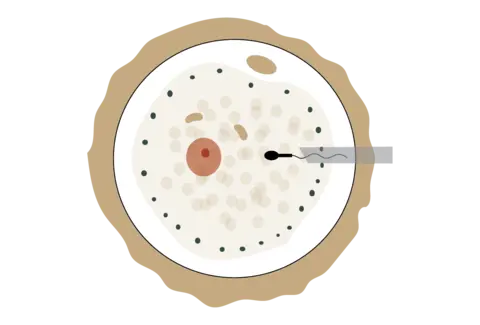
Arbor Fertility commonly recommends In Vitro Fertilization (IVF), Intrauterine Insemination (IUI), and IVF with Intracytoplasmic Sperm Injection (ICSI). Arbor's flagship IVF cycle is $10,000 and includes IVF coordination, ultrasound monitoring, egg retrieval with anesthesia, ICSI, embryo culture and freezing, and a virtual follow-up. Treatment plans are tailored by Dr. Zarek to address the specific causes of infertility involved.
Related Services
LGBTQ+ Families
LGBTQ+ family building
What fertility treatments are available for lesbian couples?
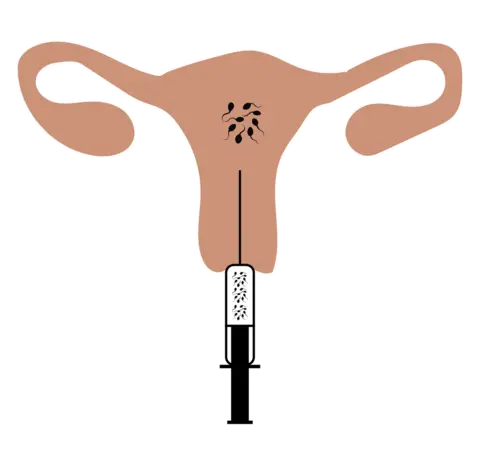
Arbor Fertility offers a full range of treatments for lesbian couples, including Intrauterine Insemination (IUI) with donor sperm, In Vitro Fertilization (IVF) with donor sperm, Reciprocal IVF, and egg freezing for future use. All services are available at Arbor's three St. Louis-area offices.
How does Reciprocal IVF work?
Reciprocal IVF allows both partners to participate in the pregnancy. Eggs from one partner are fertilized with donor sperm in the lab, and the resulting embryo is transferred to the other partner's uterus — so one partner contributes genetically while the other carries the pregnancy.
How is it decided which partner carries the pregnancy or provides the eggs?
This decision is personal and depends on factors like health, age, and individual preference. Dr. Zarek provides information and support to help couples think the decision through together, but the final choice always rests with the family.
How does IVF with donor eggs and surrogacy work for gay couples?
Gay couples select an egg donor and a gestational surrogate. The donor's eggs are fertilized through IVF using sperm from one or both partners, and the resulting embryos are transferred to the surrogate's uterus. Arbor doesn’t provide gestational surrogacy itself; we coordinate with the surrogacy agencies and partner clinics that do. Dr. Zarek walks every family through the process during the initial consultation.
Can both partners in a gay male couple be biologically related to the child?
While it is possible for both partners to contribute sperm during IVF, each individual child can only be biologically related to one father. Some couples plan multiple pregnancies so that siblings are each biologically related to one of the partners.
What fertility options are available for transgender individuals and couples?
Arbor Fertility offers a full range of options tailored to the unique needs of transgender individuals and couples, including cryopreservation of eggs or sperm, In Vitro Fertilization (IVF) with donor gametes, and Reciprocal IVF for transgender female couples. All services are available at Arbor's three offices in the St. Louis metro area.
Can transgender individuals preserve their fertility before transitioning?
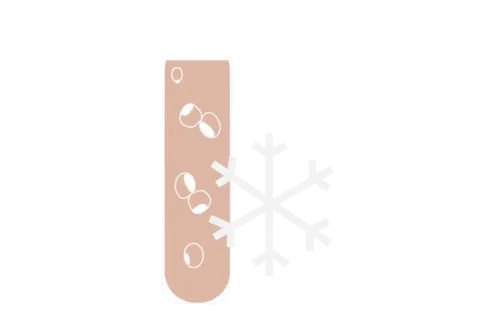
Yes. Cryopreservation is a well-established option for transgender individuals and involves freezing eggs or sperm before beginning hormone therapy or undergoing gender-affirming surgery. Preservation maintains the ability to have biological children in the future, even after transition.
What fertility options are available for polyamorous families?
Arbor Fertility offers treatment options to polyamorous families, including In Vitro Fertilization (IVF), Intrauterine Insemination (IUI), and fertility preservation such as egg freezing and sperm freezing. Depending on the treatment and the family's arrangement, more than one partner can have a biological connection to the child. With Reciprocal IVF, one partner provides the eggs, which are fertilized with donor sperm or sperm from another partner, and the embryo is transferred to a different partner who carries the pregnancy. Where male partners are involved, IVF can fertilize a donor egg with one partner's sperm, and a gestational surrogate carries the embryo.
Related Services

Single Parents
Single parents by choice
What fertility treatments are available for single individuals with female anatomy?
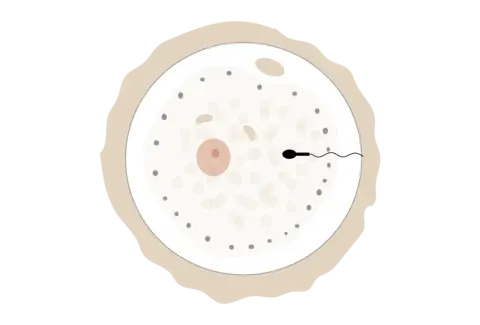
At Arbor Fertility, single individuals with female anatomy can pursue Intrauterine Insemination (IUI) using donor sperm, In Vitro Fertilization (IVF) with donor sperm, and egg freezing for future use. These options provide a clear pathway to pregnancy and parenthood, either now or later. All treatments are available at Arbor's Chesterfield, Columbia, and O'Fallon, IL offices.
What fertility options are available for single individuals with male anatomy?
For single individuals with male anatomy, options include sperm freezing at Arbor for future use and gestational surrogacy with IVF — typically using donor eggs. Arbor doesn’t provide gestational surrogacy itself; we coordinate with the surrogacy agencies and partner clinics that do.
Is sperm freezing a reliable option for preserving fertility?
Yes. Sperm freezing is a well-established and reliable method for preserving fertility. It is especially recommended for individuals planning to delay parenthood or facing medical treatments that may affect fertility.
Can single men become fathers through surrogacy?
Absolutely. Single men can become fathers through gestational surrogacy, in which a surrogate carries the pregnancy. The process typically involves donor eggs combined with the intended father's sperm via IVF. Arbor doesn’t provide gestational surrogacy itself; we coordinate with the surrogacy agencies and partner clinics that do.
Related Services
Donors & Legal
Donors, surrogacy, and legal questions
How do I choose a sperm or egg donor?
Sperm and egg donors are selected through accredited donor banks, where prospective parents review profiles based on health history, physical attributes, education, and other criteria that matter to them. Arbor does not directly provide donor gametes, but Dr. Zarek and the care team guide patients through the selection process to find a donor that fits their preferences and goals.
How does gestational surrogacy work?
Gestational surrogacy uses an embryo created through IVF — built from the intended parents' own gametes, from eggs or sperm preserved earlier, or from donor gametes — which is then transferred to a surrogate who carries the pregnancy to term. It is an option for families in which no partner wishes to or is able to carry a pregnancy. Arbor doesn’t provide gestational surrogacy itself; we coordinate with the surrogacy agencies and partner clinics that do. Dr. Zarek walks every family through the process during the initial consultation.
Can both parents be legally recognized as the child's parents?
Yes, both parents can be legally recognized, though the specific process varies by state and local jurisdiction, and the legal steps matter especially in surrogacy arrangements. Arbor recommends consulting a family-law attorney experienced in LGBTQ+ parentage and reproductive law in Missouri or Illinois before treatment begins, so the family's legal foundation is in place from day one.
Related Services
Don't see your question?
Every family is different — and the questions Arbor patients ask in consultation are often more specific than any FAQ page can capture. Schedule a 30-minute consultation with Dr. Zarek and ask the questions you haven't felt safe asking elsewhere.